

Event
2025 Designing Field Experiments – An IGL Masterclass Series
Are you a PhD student or researcher interested in field experiments eager to gain a behind-the-scenes perspective on designing and conducting experimental research?
The Innovation Growth Lab (IGL) and the Conference on Field Experiments in Strategy (CFXS) are launching a masterclass series designed to provide insights into how to design field experiments in science, innovation and productivity. Delivered by leading academics in the field, this course is tailored for early-career researchers seeking practical guidance on field experiments.
What to Expect
The pilot version of the series will launch in March 2025 (see dates below). Each session will be composed of two 45-minute interactive masterclasses led by different professors, where students can engage directly with lecturers and ask questions based on their own experiences. Each masterclass will cover a different topic and is structured to be both informative and interactive:
- 25-minute talk – Learn directly from leading experts in the field.
- 20-minute Q&A – Engage in discussions and get answers to your questions.
- Recommended Reading – 1-2 key papers to deepen your understanding of the topics discussed.
Sessions will be recorded live on Zoom and later made available on Canvas for registered participants.
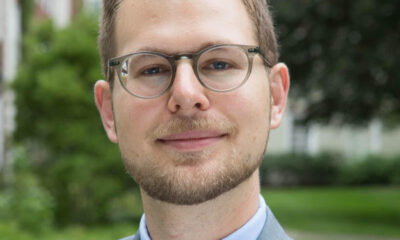
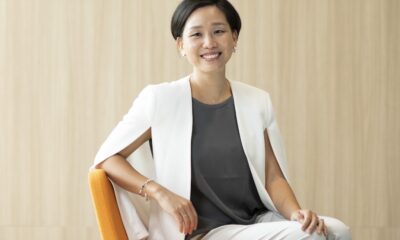
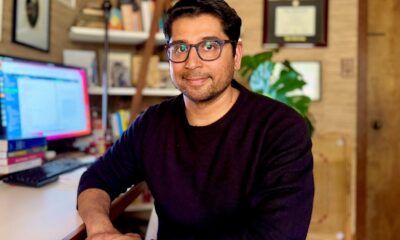
Course directors
Topics covered
- Experimentation Canvas – How to set up your first field experiment.
- Setting Up an RCT at Scale – Ensuring robustness in RCTs, including strategies for negotiation, navigating set-up challenges, and learning from near-failure experiences.
- The Importance of Power in Experiments – Addressing low-powered studies and strategies to increase sample size, such as within-subject design approaches.
- Team Science & Organizational Economics– Exploring collaborative research within organisations and teams
- Scientific Approach – Applying scientific methodologies to entrepreneurship.
- AI & Experiments – Running online experiments using AI with entrepreneurs in developed and developing economies.
- What Happens When an Experiment is Over – Insights into refining experiments through pre- and post-mortem analysis.
- How to make your experiments more rigorous – Getting feedback and knowing what to focus on.
You can review the syllabus here.
Key dates & schedule
- Monday, March 3rd | 8:00 – 9:30 ET
- Monday, March 10th | 11:00 – 12:30 ET
- Monday, March 17th | 8:00 – 9:30 ET
- Monday, March 24th | 11:00 – 12:30 ET
- Monday, March 31st | 8:00 – 9:30 ET
- Monday, April 7th | 8:00 – 9:30 ET
How to Register
Masterclasses are free and open to PhD students and early-career researchers. Participants will have the opportunity to engage with top researchers and gain firsthand knowledge of designing impactful field experiments.
Faculty

Chiara Spina
Assistant Professor
INSEAD
Learn more about Chiara Spina
Elizabeth Lyons
Associate Professor
UC San Diego School of Global Policy and Strategy
Learn more about Elizabeth Lyons
Florian Englmaier
Professor
LMU Munich
Learn more about Florian Englmaier
George Ward
Junior Research Fellow
University of Oxford
Learn more about George Ward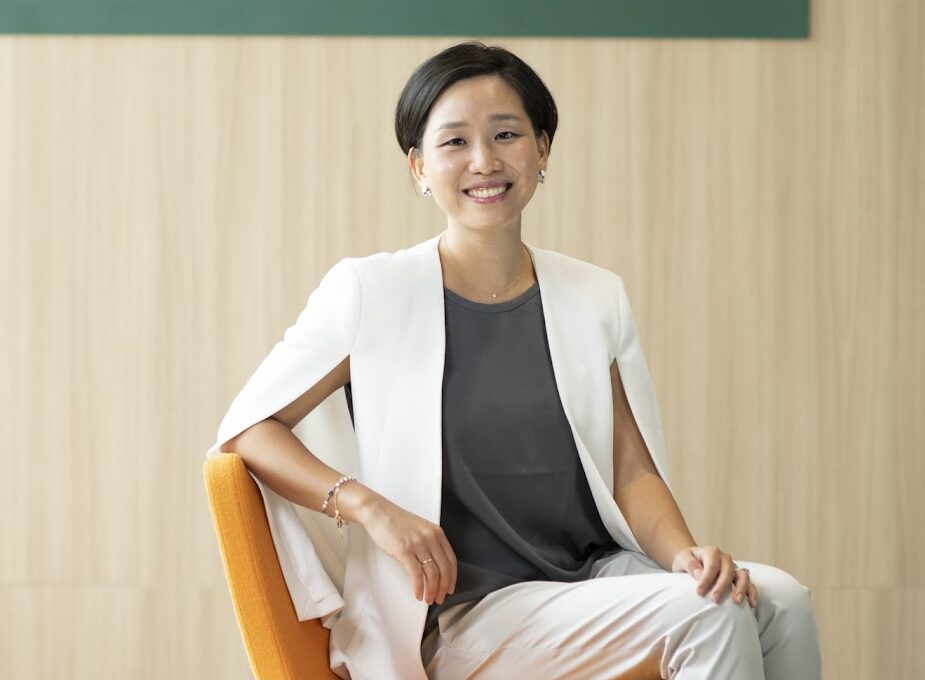
Hyunjin Kim
Assistant Professor
INSEAD
Learn more about Hyunjin Kim
Jacqueline Ng Lane
Assistant Professor
Harvard Business School
Learn more about Jacqueline Ng Lane
Jana Gallus
Associate Professor
UCLA Anderson School of Management
Learn more about Jana Gallus
Nicholas Otis
PhD candidate
Berkeley Haas School of Business
Learn more about Nicholas Otis
Rembrand Koning
Associate Professor of Business Administration
Harvard Business School
Learn more about Rembrand Koning
Sharique Hasan
Associate Professor
Fuqua School of Business at Duke University
Learn more about Sharique Hasan
Thomas Åstebro
Professor of Strategy and Entrepreneurship
HEC Paris
Learn more about Thomas ÅstebroSpeakers
-
Rembrand Koning
Associate Professor of Business AdministrationHarvard Business SchoolRem Koning is the Mary V. and Mark A. Stevens Associate Professor of Business Administration at Harvard Business School. His research explores how we can help more entrepreneurs, scientists, and innovators succeed. His work on entrepreneurship and innovation spans industries and regions, from Indian tech ventures to small business owners in Kenya to women’s and mental health startups in the […]Learn more about Rembrand Koning -
Sharique Hasan
Associate ProfessorFuqua School of Business at Duke UniversitySharique Hasan is an Associate Professor of Strategy at the Fuqua School of Business at Duke University and an Associate Professor of Sociology (by courtesy). His primary research uses experiments and big data to study the entrepreneurial process, innovation, and the social and community implications of these. He earned his Ph.D. from Carnegie Mellon University […]Learn more about Sharique Hasan -

Hyunjin Kim
Assistant ProfessorINSEADHyunjin is an assistant professor of Strategy at INSEAD. Her research focuses on how data and artificial intelligence (AI) impact firm decisions, and the implications for how firms compete and build competitive advantage. She leverages field experiments and computational methods to explore these questions, collaborating closely with Fortune 500 companies as well as tech startups. Her research has received generous funding from the Alfred […]Learn more about Hyunjin Kim