

Project
Business libraries to increase innovation and improve performance in the informal Kenyan furniture sector
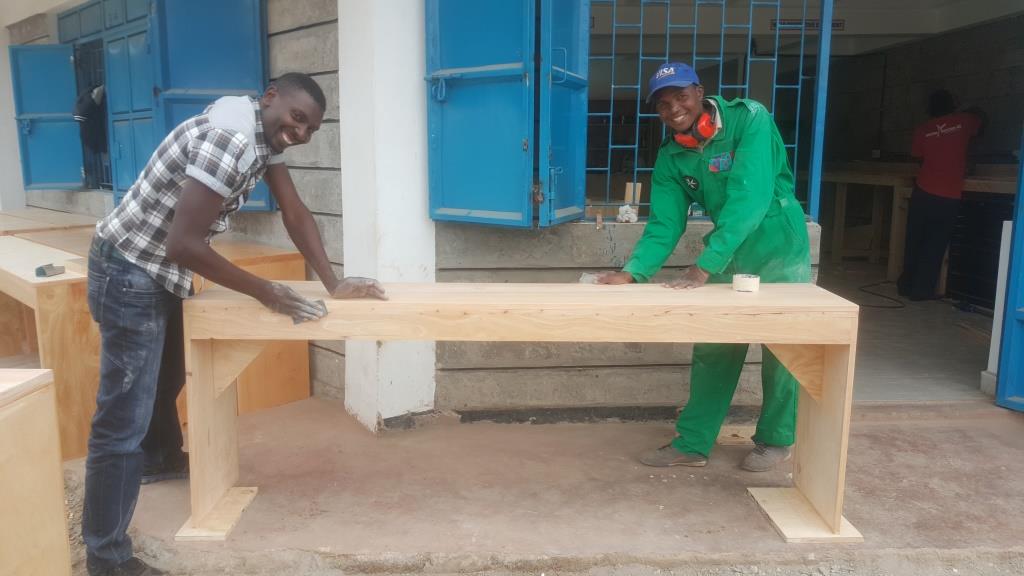
How do we inspire innovation and growth in the informal manufacturing industry in the developing world? We investigate relieving both physical capital and human capital constraints among informal woodworkers in Nairobi, Kenya. WorkShop, a tool library project in Nairobi, offered a group of woodworkers a high-intensity treatment consisting of five-weeks of training and access to shared, industrial-grade woodworking tools. Another group was provided with a low-intensity treatment, consisting of a digital training application. We find that the high-intensity treatment creates large and significant increases in innovation outcomes such as the number of new designs, and the likelihood of purchasing new tools. More modest improvements result from the digital app alone. Overall, we find that simultaneous relief of both physical and human capital can spur innovation, however results in financial outcomes, such as firm profits, are inconclusive.
Key facts
Year: 2014
Stage: Working paper
Location: Kenya
Project team
Team

